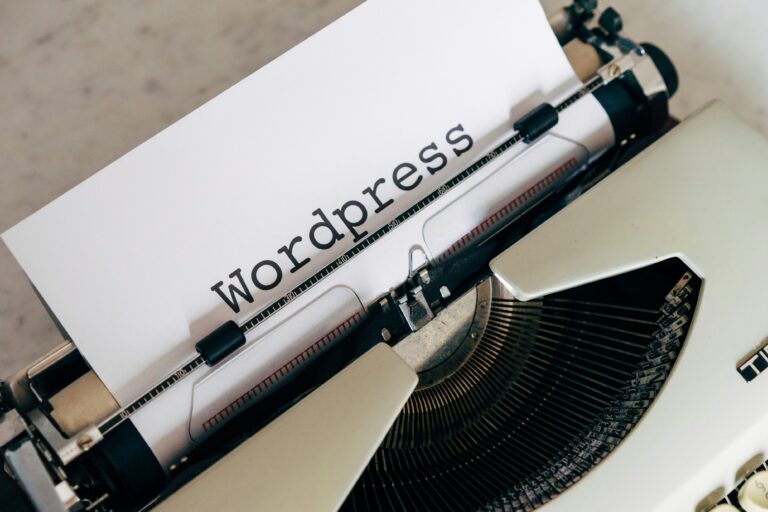
Best Practices for Keyword Placement in WordPress Articles
In the huge digital panorama, content material is king, however strategic key phrase placement is its crown jewel. For anybody publishing articles on WordPress, understanding tips on how to successfully combine key phrases is essential for reaching larger search engine rankings, attracting natural site visitors, and connecting along with your target market. This information outlines one of the best practices for key phrase placement, making certain your content material will not be solely beneficial to readers but additionally discoverable by engines like google.

Introduction: The Art and Science of Keyword Placement
Keyword placement is the strategic positioning of related phrases and phrases inside your article to sign its subject and relevance to engines like google like Google. It’s an artwork as a result of it requires a pure, user-friendly integration that does not disrupt readability. It’s a science as a result of it adheres to particular technical and logical ideas that search engine algorithms favor. The aim is to tell each your readers and search engine crawlers concerning the core topic of your WordPress content material, in the end driving extra certified guests to your web site.
Strategic Locations for Keyword Placement
Effective key phrase placement is not about haphazardly scattering phrases; it is about considerate integration in key areas of your WordPress article.
1. The website positioning Title (and H1 Heading)
The website positioning title is arguably probably the most essential placement for your main key phrase. It’s what seems in search outcomes and browser tabs, considerably impacting click-through charges (CTR). Your primary key phrase ought to ideally be originally of your website positioning title. Similarly, your H1 heading – the primary title of your article seen on the web page – also needs to comprise your main key phrase.
* Best Practice: Include your primary key phrase as near the start of your website positioning Title and H1 heading as attainable. Keep it concise and compelling.
2. The First Paragraph
Search engines and readers alike need to rapidly perceive what your article is about. Placing your main key phrase throughout the first 100-150 phrases of your introductory paragraph indicators fast relevance. This additionally acts as a hook, reassuring readers they’ve discovered the correct content material.
* Best Practice: Naturally embed your main key phrase and associated phrases in the opening paragraph to ascertain fast context.
3. Headings and Subheadings (H2, H3, and so on.)
Headings break up your content material, making it simpler to learn and scan. They additionally present glorious alternatives for secondary key phrases, long-tail variations, and associated phrases. Using key phrases in your H2 and H3 tags helps engines like google perceive the construction and sub-topics of your article, enhancing its total relevance.
* Best Practice: Incorporate related key phrases and LSI (Latent Semantic Indexing) key phrases into a few of your H2, H3, and different subheadings the place it is sensible and enhances readability.
4. The Meta Description
While not a direct rating issue, the meta description is essential for CTR. This quick abstract seems underneath your website positioning title in search outcomes. Including your main key phrase and a compelling name to motion encourages customers to click on, which in flip can not directly enhance your rating.
* Best Practice: Craft a concise, engaging meta description (underneath 160 characters) that features your primary key phrase and clearly explains what the consumer will achieve from clicking.
5. Within the Body Content
The primary physique of your article is the place your key phrases ought to be naturally built-in all through. The key right here is “pure.” Focus on offering worth and answering consumer queries comprehensively. While there isn’t any excellent key phrase density, goal for a frequency that feels natural and would not disrupt the studying expertise.
* Best Practice: Distribute your main key phrase and its variations organically all through the physique textual content, making certain it flows naturally inside sentences and paragraphs. Prioritize consumer expertise over pressured key phrase repetition.
6. Image Alt Text
Images improve articles, however engines like google cannot “see” them. Alt textual content (various textual content) describes the picture for visually impaired customers and search engine crawlers. This is a chief spot to make use of related key phrases, describing the picture precisely whereas additionally boosting your article’s website positioning.
* Best Practice: Write descriptive alt textual content for all pictures, together with related key phrases the place acceptable, making certain the outline precisely displays the picture content material.
7. The URL (Permalink)
A clear, concise, and keyword-rich URL (or permalink) offers one other sign to engines like google about your article’s subject. WordPress permits you to customise your permalinks simply.
* Best Practice: Create quick, descriptive URLs that embrace your main key phrase, avoiding cease phrases (like “a,” “the,” “is”).
8. The Conclusion
Reiterate your details and key phrases in your concluding paragraph. This offers a ultimate reinforcement of your article’s subject for each readers and engines like google, providing a powerful abstract.
* Best Practice: Naturally incorporate your main key phrase and summarize key takeaways in your concluding part.
Key Principles for Effective Keyword Placement
Beyond the place to position key phrases, how you place them is equally vital.
1. Prioritize Natural Integration and Readability
This is the golden rule. No matter how completely positioned your key phrases are, if the content material reads poorly or sounds pressured, customers will go away, and engines like google will ultimately penalize you. Write for your viewers first, then optimize for engines like google.
2. Embrace Keyword Variations and LSI Keywords
Don’t simply repeat your precise main key phrase. Use synonyms, associated phrases, and long-tail variations. Google’s algorithms are subtle sufficient to know semantic relationships. LSI key phrases (phrases carefully associated to your primary key phrase) enrich your content material and sign a deeper understanding of the subject, avoiding “key phrase stuffing.”
3. Don’t Obsess Over Keyword Density
The idea of a “magic” key phrase density proportion is essentially outdated. Google cares extra about context, relevance, and consumer expertise. Focus on writing complete, high-quality content material that naturally contains your key phrases, somewhat than aiming for a particular density.
4. Focus on User Intent
Before putting key phrases, perceive the intent behind them. What downside is the consumer making an attempt to unravel? What data are they searching for? Aligning your key phrase placement and content material with consumer intent ensures your article offers probably the most related and beneficial reply.
5. Monitor and Adapt
website positioning is an ongoing course of. Use instruments like Google Analytics and Google Search Console to watch your article’s efficiency. See which key phrases it is rating for, which variations are bringing site visitors, and what enhancements could be made. Adapt your technique primarily based on knowledge.
Conclusion: A Holistic Approach to website positioning
Effective key phrase placement in WordPress articles is a mix of artwork and science, demanding a user-centric strategy mixed with an understanding of search engine ideas. By strategically putting your main and secondary key phrases in key areas, embracing variations, and prioritizing pure, beneficial content material, you’ll be able to considerably improve your article’s visibility and appeal to a extra engaged viewers. Remember, key phrase placement is only one piece of the website positioning puzzle; a holistic technique specializing in high quality, relevance, and consumer expertise will at all times yield one of the best long-term outcomes.
FAQs about Keyword Placement in WordPress Articles
Q1: What is the best key phrase density for WordPress articles?
A1: There isn’t any excellent or magic key phrase density. Focusing on a particular proportion can result in key phrase stuffing, which harms readability and may end up in search engine penalties. Instead, deal with pure language, offering worth, and utilizing your key phrases the place they make sense contextually.
Q2: Should I solely use my precise main key phrase all through the article?
A2: No, it is best to use your main key phrase strategically, but additionally incorporate synonyms, associated phrases, and long-tail variations (LSI key phrases). This indicators a broader understanding of the subject to engines like google and creates a extra pure, partaking studying expertise.
Q3: Is key phrase stuffing nonetheless an issue, and the way can I keep away from it?
A3: Yes, key phrase stuffing continues to be a significant downside and might result in penalties. Avoid it by writing for your viewers first. Only use key phrases once they match naturally into sentences and paragraphs. If it sounds pressured or repetitive, it is probably key phrase stuffing.
This fall: Does key phrase placement matter greater than the general high quality of the content material?
A4: Absolutely not. Content high quality is paramount. Strategic key phrase placement helps engines like google uncover your content material, however high-quality, beneficial, and well-written content material is what retains customers engaged and in the end helps your article rank and carry out properly in the long run.
Q5: How usually ought to I assessment and replace the key phrases in my current WordPress articles?
A5: It’s a great observe to assessment your content material periodically, maybe each 6-12 months. Keyword traits and consumer intent can change. Use instruments like Google Search Console to see how your articles are performing for varied queries and think about updating your content material and key phrase technique as wanted to take care of relevance and competitiveness.