Best Keyword Research Workflow for WordPress Bloggers
In the aggressive panorama of on-line content material, merely publishing nice articles is not sufficient. To really stand out and entice your ultimate viewers, you must communicate their language – the language they use when typing right into a search engine. This is the place key phrase analysis comes into play. For WordPress bloggers, a well-defined key phrase analysis workflow is the spine of a profitable website positioning technique, driving focused natural site visitors and establishing authority. This article will information you thru knowledgeable, step-by-step workflow to grasp key phrase analysis for your WordPress weblog.

Understanding the Foundation of Keyword Research
Before diving into the sensible steps, it is essential to know the basic rules that make key phrase analysis so highly effective. It’s extra than simply discovering fashionable phrases; it’s about understanding person intent and market demand.
Why Keyword Research is Indispensable
Keyword analysis serves as your compass within the huge ocean of the web. It helps you:
* Identify Audience Needs: Discover what issues your potential readers are attempting to unravel or what info they’re in search of.
* Drive Organic Traffic: Attract guests who’re actively looking for content material associated to your area of interest.
* Inform Content Strategy: Guide the creation of related, high-value posts that immediately deal with person queries.
* Outrank Competitors: Uncover alternatives the place you may compete and rank greater than established blogs.
Key Metrics to Consider
When evaluating key phrases, these metrics present very important insights:
* Search Volume (SV): The common variety of instances a key phrase is searched per thirty days. Aim for a stability between excessive quantity and real looking competitors.
* Keyword Difficulty (KD) / website positioning Difficulty: An estimated rating indicating how arduous it’s to rank for a key phrase, sometimes starting from 0-100. Lower scores are typically simpler.
* Search Intent: The underlying motive behind a person’s search question. This is paramount for creating content material that really satisfies the searcher. The 4 predominant sorts are:
* Informational: Looking for info (e.g., “how you can bake sourdough”).
* Navigational: Looking for a selected web site or web page (e.g., “WordPress login”).
* Transactional: Looking to purchase one thing (e.g., “finest ergonomic keyboard deal”).
* Commercial Investigation: Researching earlier than making a purchase order (e.g., “overview of XYZ product”).
* SERP Features: What seems on the Search Engine Results Page (SERP) past commonplace listings (e.g., featured snippets, ‘People Also Ask’ packing containers, picture packs). These will be alternatives or challenges.
Step 1: Brainstorming Seed Keywords
Every profitable key phrase analysis journey begins with a broad listing of “seed” key phrases. These are the foundational phrases associated to your weblog’s area of interest and core subjects.
* Your Expertise & Passion: Start by itemizing the primary subjects you’re educated and captivated with. What questions do folks steadily ask you about your area of interest?
* Audience Pain Points: Think in regards to the issues your target market faces and the way your weblog gives options. What phrases would they use to explain these issues?
* Competitor Analysis (Manual): Visit profitable blogs in your area of interest. What subjects do they cowl? Look at their article titles, headings, and class buildings for inspiration.
* Google Suggestions: Type your preliminary concepts into Google’s search bar and observe the autocomplete options. Scroll to the underside of the SERP for “Related Searches” and examine the “People Also Ask” part.
Goal: Generate a preliminary listing of 10-20 broad and particular phrases that signify your weblog’s core choices.
Step 2: Expanding Your Keyword List with Tools
Once you may have your seed key phrases, it is time to leverage devoted instruments to increase your listing, collect information, and uncover hidden gems.
Free Keyword Research Tools
* Google Keyword Planner: While primarily for advertisers, it is a highly effective free instrument for search quantity and competitors estimates after getting an energetic Google Ads account.
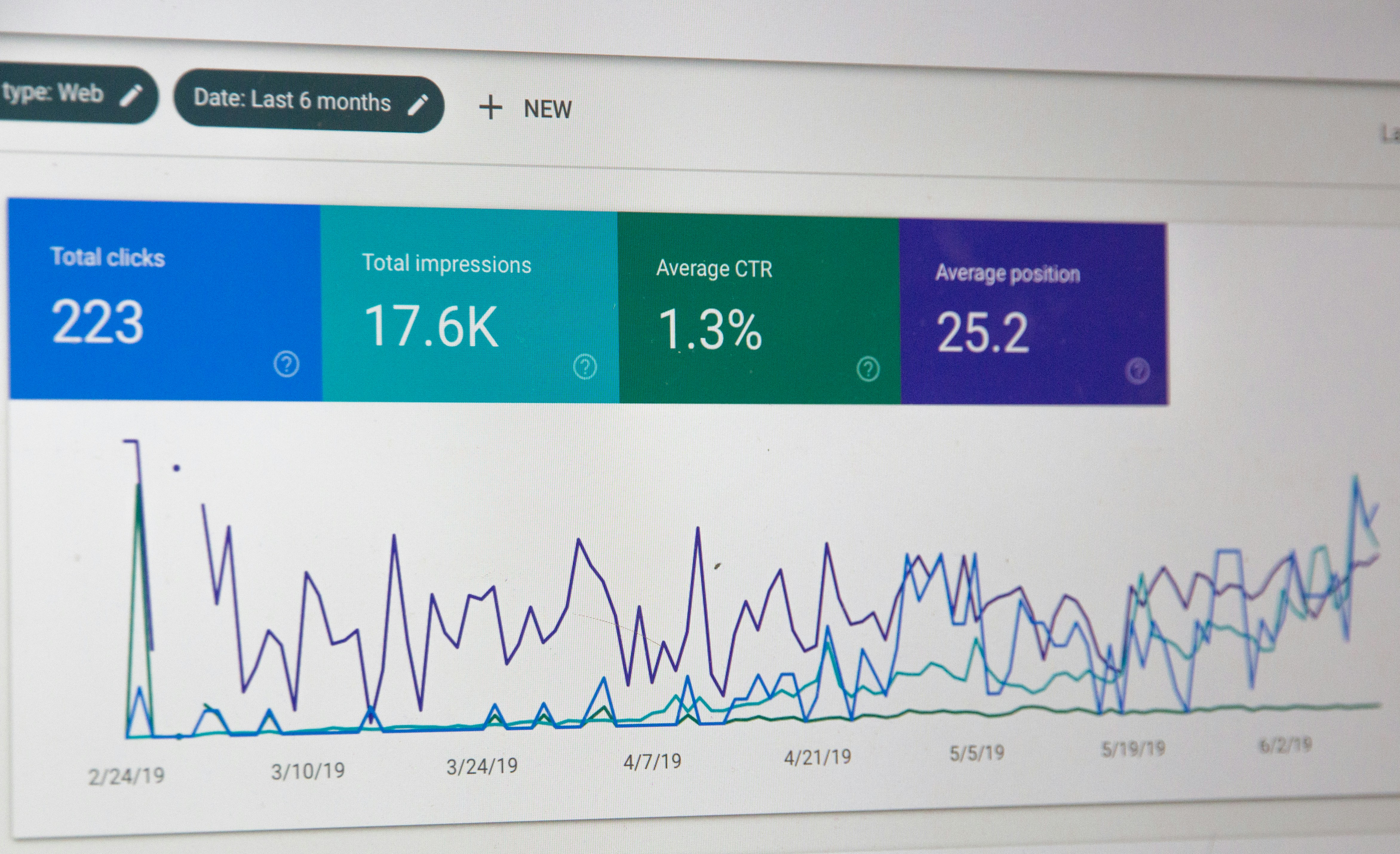
Google Search Console: Essential for present blogs. It exhibits you what key phrases your website already* ranks for and what number of impressions and clicks you obtain, serving to you determine underperforming key phrases with excessive potential.
* Ubersuggest (Limited Free Version): Provides key phrase concepts, content material concepts, and primary website positioning metrics.
* AnswerThePublic: Great for visualizing questions, prepositions, comparisons, and alphabetical searches associated to your seed key phrases, invaluable for understanding person intent.
Paid Keyword Research Tools
For critical bloggers, investing in a paid instrument gives complete insights:
* Semrush: Offers in depth key phrase analysis, competitor evaluation, website audits, and content material advertising instruments.
* Ahrefs: Renowned for its backlink evaluation, website explorer, and strong key phrase analysis options.
* Moz Keyword Explorer: Provides key phrase problem, search quantity, and SERP evaluation, alongside website authority metrics.
Action: Input your seed key phrases into these instruments. Gather a whole bunch of associated key phrases, noting their search quantity, problem, and the intent they recommend.
Step 3: Analyzing and Filtering Keywords
With a big listing of key phrases, the subsequent crucial step is to research and filter them to determine essentially the most promising alternatives for your WordPress weblog.
Prioritizing Search Intent
This is maybe essentially the most essential filter. For every key phrase, ask: “What does somebody typing this into Google actually need?”
* If your weblog is informational, prioritize informational and industrial investigation key phrases.
* If you promote merchandise, give attention to transactional and industrial investigation phrases.
* Creating content material that aligns completely with search intent is vital to lowering bounce charges and bettering engagement.
Evaluating Search Volume and Keyword Difficulty
* Find the Sweet Spot: Look for key phrases with an honest search quantity (e.g., 100-1000+ searches/month, relying in your area of interest) and a manageable key phrase problem (e.g., KD below 40-50, particularly for newer blogs).
* Embrace Long-Tail Keywords: These are longer, extra particular phrases (e.g., “finest gluten-free bread recipe for freshmen”). They normally have decrease search quantity however greater conversion charges and decrease competitors, making them ultimate for new blogs to realize preliminary traction.
Competitor Analysis Deep Dive
For your shortlisted key phrases, carry out a fast SERP evaluation:
* Who ranks within the prime 10? Are they large authority websites or smaller blogs?
* What sort of content material are they publishing? Is it long-form articles, listicles, how-to guides, movies?
* Can you create one thing higher? Look for content material gaps, outdated info, or areas the place you may present a novel perspective or extra complete reply.
Action: Create a spreadsheet. List your shortlisted key phrases, their metrics (SV, KD), recognized intent, and temporary notes on competitor content material. Highlight your prime 10-20 main goal key phrases.
Step 4: Structuring Your Content Strategy
Keyword analysis is not a standalone exercise; it is the muse for your content material creation.
Keyword Mapping to Content Ideas
* One Primary Keyword Per Post: Each weblog publish ought to ideally goal one predominant key phrase to take care of focus and readability.
* Supporting Keywords: Identify 3-5 associated secondary key phrases and long-tail variations that naturally match inside the primary matter. These ought to be integrated all through your article to supply context and seize extra long-tail site visitors.
* Content Clusters & Pillar Pages: For broader subjects, think about making a “pillar web page” (a complete information) that hyperlinks to a number of in-depth weblog posts (cluster content material) that every goal a selected sub-topic key phrase. This builds topical authority.
Creating a Content Calendar
Based in your mapped key phrases, develop a content material calendar. This will enable you:
* Organize your publishing schedule.
* Ensure constant content material supply.
* Strategically goal completely different key phrase alternatives over time.
Action: Populate your content material calendar with particular weblog publish concepts, every assigned a main key phrase and a listing of supporting key phrases.
Step 5: Implementation, Optimization, and Tracking
The closing stage entails placing your analysis into motion, optimizing your WordPress posts, and repeatedly monitoring efficiency.
On-Page website positioning for WordPress
When writing your weblog posts, strategically incorporate your key phrases:
* Title Tag & Meta Description: Include your main key phrase naturally. These seem within the SERP and entice clicks.
* URL Slug: Keep it quick, related, and embrace your main key phrase (e.g., yourblog.com/best-keyword-research-workflow).
* Headings (H1, H2, H3): Use your main key phrase within the H1 (your publish title) and combine supporting key phrases into H2s and H3s.
* Body Content: Sprinkle your main and secondary key phrases naturally all through your article, however keep away from key phrase stuffing. Aim for readability and worth.
* Image Alt Text: Describe your photos utilizing related key phrases.
* Internal & External Links: Link to different related posts in your weblog (inside) and to high-authority exterior sources.
* WordPress website positioning Plugins: Utilize plugins like Yoast website positioning or Rank Math to information your on-page optimization, serving to you examine key phrase density, readability, and meta tags.
Monitoring and Adapting
Keyword analysis and website positioning are ongoing processes.
* Google Analytics: Track natural site visitors, bounce charges, and person engagement metrics for your keyword-targeted posts.
* Google Search Console: Monitor your key phrase rankings, click-through charges (CTR), and determine new key phrase alternatives or present key phrases the place you can enhance your place.
* Update Old Content: Periodically revisit your older posts. Are they nonetheless rating? Can you replace them with contemporary info, new key phrases, or higher optimization?
Action: Publish your optimized content material. Regularly examine Google Analytics and Search Console to evaluate efficiency and determine areas for enchancment.
Conclusion
Mastering key phrase analysis shouldn’t be a one-time activity however a steady cycle of discovery, evaluation, creation, and optimization. For WordPress bloggers, implementing a structured workflow—from brainstorming seed key phrases to meticulous on-page optimization and ongoing monitoring—is the definitive path to reaching sustainable natural site visitors, constructing authority, and connecting along with your viewers successfully. By understanding what your readers are looking for and delivering tailor-made, high-quality content material, your weblog will thrive within the aggressive digital panorama.
Frequently Asked Questions (FAQs)
Q1: How typically ought to I do key phrase analysis for my WordPress weblog?
A1: Keyword analysis is not a one-and-done activity. You ought to conduct preliminary analysis when beginning your weblog, but in addition commonly (e.g., quarterly or month-to-month) to seek out new alternatives, analyze traits, and adapt to modifications in search habits. Revisit present posts for potential optimization as properly.
Q2: Can I rely solely on free key phrase analysis instruments?
A2: For new bloggers on a price range, free instruments like Google Keyword Planner, Google Search Console, and Ubersuggest (restricted) are wonderful beginning factors. However, paid instruments like Semrush or Ahrefs provide a lot deeper insights, complete competitor evaluation, and time-saving options that may considerably speed up your weblog’s development. Consider investing as your weblog grows.
Q3: Should I all the time goal key phrases with excessive search quantity?
A3: Not essentially. While excessive search quantity appears interesting, these key phrases typically have very excessive competitors. For newer blogs, it is typically extra strategic to focus on “long-tail key phrases” – longer, extra particular phrases with decrease search quantity however greater intent and decrease competitors. Ranking for a number of long-tail key phrases can accumulate vital site visitors over time.
This fall: What if all of the related key phrases in my area of interest have very excessive key phrase problem?
A4: If you are constantly discovering excessive KD for your main subjects, think about niching down additional. Look for sub-topics or particular angles inside your area of interest that may have much less competitors. Focus on very long-tail key phrases, create complete pillar content material that builds authority over time, or think about various content material codecs like video that may have completely different competitors dynamics.
Q5: How lengthy does it take to see outcomes from key phrase analysis and website positioning efforts?
A5: website positioning is a long-term technique. It can take wherever from 3 to six months, and even longer, to see vital rating enhancements and natural site visitors will increase after implementing your key phrase analysis and optimization efforts. Consistency, endurance, and steady refinement are key.