How to Write SEO-Friendly WordPress Articles with Keywords
In immediately’s digital panorama, merely publishing content material is not sufficient; your articles want to be found. For WordPress customers, this implies mastering the artwork of writing Website positioning-friendly articles that successfully leverage key phrases. By optimizing your content material for serps, you improve visibility, appeal to extra natural site visitors, and set up your authority in your area of interest. This complete information will stroll you thru the important steps, from foundational key phrase analysis to superior on-page optimization, making certain your WordPress articles rank greater and have interaction your audience.

I. Foundation: Comprehensive Keyword Research
Before you write a single phrase, efficient key phrase analysis is paramount. This course of uncovers the phrases and phrases your audience makes use of to discover info associated to your matter.
A. Brainstorm Seed Keywords
Start with broad matters associated to your area of interest or the particular article concept. Think like your viewers: what questions would they ask? What issues are they making an attempt to remedy? These preliminary concepts function your seed key phrases.
B. Utilize Keyword Research Tools
Leverage instruments like Google Keyword Planner, Ahrefs, SEMrush, or Ubersuggest to increase your seed key phrases. These instruments present information on search quantity, competitors, and associated key phrases, serving to you establish high-potential phrases. Focus on key phrases with a wholesome search quantity and manageable competitors.
C. Analyze Search Intent
Understanding the “why” behind a search question is essential. Is the person in search of info (informational intent), making an attempt to purchase one thing (transactional intent), evaluating merchandise (business investigation), or making an attempt to navigate to a particular website (navigational intent)? Align your content material’s function with the person’s intent to present probably the most related solutions.
D. Identify Long-Tail Keywords
These are longer, extra particular key phrase phrases (e.g., “how to bake gluten-free sourdough bread”). Long-tail key phrases usually have decrease search quantity however greater conversion charges, as they point out a extra particular person want. They’re glorious for concentrating on area of interest audiences and answering exact questions.
E. Competitor Analysis
Examine what key phrases your opponents are rating for. Tools may help you establish their top-performing content material and the key phrases driving site visitors to their websites, providing precious insights and uncovering alternatives you might need missed.
II. On-Page Website positioning Best Practices: Optimizing Your Content
Once you might have your main and secondary key phrases, it is time to strategically combine them into your WordPress article. This includes optimizing numerous parts in your web page to sign relevance to serps.
A. Craft Compelling Titles (H1)
Your article’s title (H1 tag) is arguably an important on-page factor. It needs to be partaking, precisely mirror your content material, and embrace your main key phrase, ideally close to the start. Aim for titles that evoke curiosity and clearly state the article’s profit to the reader.
B. Write Engaging Meta Descriptions
The meta description is the brief snippet that seems underneath your title in search outcomes. While not a direct rating issue, a well-crafted meta description with your main key phrase can considerably enhance click-through charges. Summarize your article’s worth proposition and embrace a transparent name to motion.
C. Strategic Keyword Placement
Integrate your main key phrase and related long-tail key phrases naturally all through your article.
* First Paragraph: Include your main key phrase throughout the first 100-150 phrases.
* Headings (H2, H3): Use secondary key phrases and variations in your subheadings to construction your content material and enhance readability, in addition to Website positioning.
* Body Text: Sprinkle key phrases naturally, avoiding “key phrase stuffing,” which might hurt your rankings. Focus on offering worth.
* Last Paragraph: Reiterate your essential level and incorporate your main key phrase one final time.
D. Structure with Headings (H2, H3, H4)
Use headings and subheadings (H2, H3, H4) to break up your content material into digestible sections. This not solely improves readability in your customers but additionally helps serps perceive the construction and hierarchy of your article, permitting them to higher grasp your content material’s matters.
E. Optimize Images
Images improve person expertise, however in addition they provide Website positioning alternatives.
* File Names: Use descriptive, keyword-rich file names (e.g., seo-friendly-wordpress-article.jpg).
* Alt Text: Provide descriptive alt textual content for each picture, incorporating related key phrases the place acceptable. This helps serps perceive picture context and improves accessibility.
* Compression: Compress pictures to scale back file dimension and enhance web page load velocity, a vital rating issue.
F. Internal and External Linking
Strategic linking is important for Website positioning.
* Internal Links: Link to different related articles in your WordPress website. This helps distribute “hyperlink juice,” improves website navigation, and encourages customers to discover extra of your content material.
* External Links: Link out to authoritative, high-quality sources when citing info or offering extra assets. This provides credibility to your article and exhibits serps you are a precious supply of data.
III. Crafting High-Quality, User-Centric Content
Website positioning is not nearly key phrases; it is essentially about offering worth to your readers. Google’s algorithms prioritize content material that genuinely helps customers.
A. Focus on Readability and Value
Write clear, concise, and fascinating content material that straight addresses your viewers’s wants and questions. Your article needs to be informative, correct, and actionable.
B. Maintain a Consistent Tone
Ensure your writing fashion is constant with your model voice. An expert, useful, and authoritative tone builds belief and encourages readers to return.
C. Break Up Text
Avoid giant blocks of textual content. Use brief paragraphs, bullet factors, numbered lists, and daring textual content to make your content material scannable and simpler to learn, particularly on cell units.
D. Originality and Depth
While key phrase analysis helps you establish matters, your content material wants to provide distinctive insights, contemporary views, or extra complete protection than what already exists. Strive for originality and reveal experience.
IV. WordPress-Specific Optimizations
WordPress gives a number of built-in options and plugins that may considerably increase your Website positioning efforts.
A. Choose an Website positioning-Friendly Theme
Select a WordPress theme that’s light-weight, fast-loading, responsive (mobile-friendly), and well-coded. Themes constructed with Website positioning in thoughts usually have higher schema markup integration and cleaner code.
B. Install an Website positioning Plugin (Yoast Website positioning or Rank Math)
Plugins like Yoast Website positioning or Rank Math are indispensable for WordPress Website positioning. They information you thru on-page optimization, enable you handle meta titles and descriptions, create XML sitemaps, and provide content material evaluation to enhance your key phrase utilization and readability.
C. Optimize Permalinks
Set your WordPress permalink construction to be descriptive and embrace your main key phrase. Go to Settings > Permalinks and select “Post identify.” Edit particular person put up permalinks to be brief, related, and keyword-rich.
D. Utilize Categories and Tags
Properly categorize and tag your articles. Categories provide broad groupings, whereas tags are extra particular descriptors. This helps manage your content material, makes it simpler for customers to discover associated articles, and indicators content material relevance to serps.
E. Implement a Sitemap
An XML sitemap lists all of the necessary pages and posts in your web site, making it simpler for search engine crawlers to uncover and index your content material. Most Website positioning plugins will routinely generate and replace a sitemap for you.
V. Post-Publication: Sustaining Your Website positioning Efforts
Website positioning is an ongoing course of. Your work would not finish when you hit “publish.”
A. Monitor Performance (Google Analytics & Search Console)
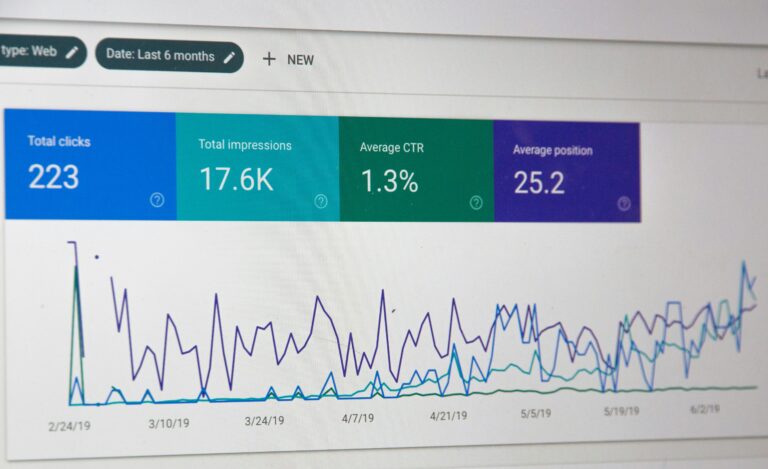
Regularly observe your article’s efficiency utilizing Google Analytics to monitor site visitors, bounce charge, and time on web page. Google Search Console helps you establish which key phrases you are rating for, any crawling errors, and alternatives for enchancment.
B. Update and Refresh Content
Keep your articles evergreen. Periodically evaluate and replace older content material with new info, statistics, or examples. Updating content material can provide it a contemporary increase in search rankings.
C. Promote Your Article
Share your article throughout social media platforms, electronic mail newsletters, and related on-line communities. The extra publicity your content material will get, the extra possible it’s to appeal to backlinks and natural site visitors.
D. Build Backlinks (Ethically)
Backlinks from authoritative web sites sign to serps that your content material is reliable and precious. Focus on incomes high-quality backlinks via real outreach, visitor posting, and creating link-worthy content material.
Conclusion
Writing Website positioning-friendly WordPress articles with key phrases is a dynamic course of that mixes meticulous analysis, strategic optimization, and a deep understanding of your viewers. By persistently making use of these ideas—from complete key phrase analysis and meticulous on-page optimization to creating high-quality, user-centric content material and leveraging WordPress’s options—you will construct a robust content material technique that drives natural site visitors, enhances your on-line authority, and helps your articles stand out in a crowded digital world. Remember, Website positioning is a long-term recreation; endurance and steady effort are key to reaching lasting outcomes.
FAQs
Q1: What is “key phrase stuffing” and why ought to I keep away from it?
A1: Keyword stuffing is the follow of excessively loading an article with key phrases in an try to manipulate search engine rankings. This usually makes the content material unnatural, troublesome to learn, and offers a poor person expertise. Search engines penalize key phrase stuffing, main to decrease rankings and even de-indexing. Focus on pure language and relevance.
Q2: How usually ought to I take advantage of my main key phrase in an article?
A2: There’s no mounted “key phrase density” share. The finest strategy is to use your main key phrase naturally the place it is smart: within the title (H1), meta description, first paragraph, a couple of instances within the physique, in some subheadings, and within the conclusion. Prioritize readability and worth over key phrase rely.
Q3: What’s the distinction between classes and tags in WordPress Website positioning?
A3: Categories are broad groupings in your content material, serving to to construction your website’s total matters (e.g., “Recipes,” “Travel,” “Technology”). Tags are extra particular, micro-level descriptors that spotlight explicit particulars inside an article (e.g., for a recipe: “gluten-free,” “dessert,” “vegan”). Both assist with content material group and person navigation.
This autumn: Do exterior hyperlinks (linking to different web sites) assist my Website positioning?
A4: Yes, considered use of exterior hyperlinks may help your Website positioning. Linking to authoritative and related exterior sources demonstrates that your article is well-researched, provides credibility, and offers extra worth to your readers. This can sign to serps that your content material is a precious useful resource.
Q5: How lengthy does it take to see Website positioning outcomes from new WordPress articles?
A5: Website positioning outcomes are hardly ever quick. It can take wherever from a couple of weeks to a number of months (3-6 months is frequent, typically longer for extremely aggressive key phrases) to see vital rating enhancements. Factors like your area authority, competitors, and the standard of your content material all play a job. Consistency and endurance are very important.